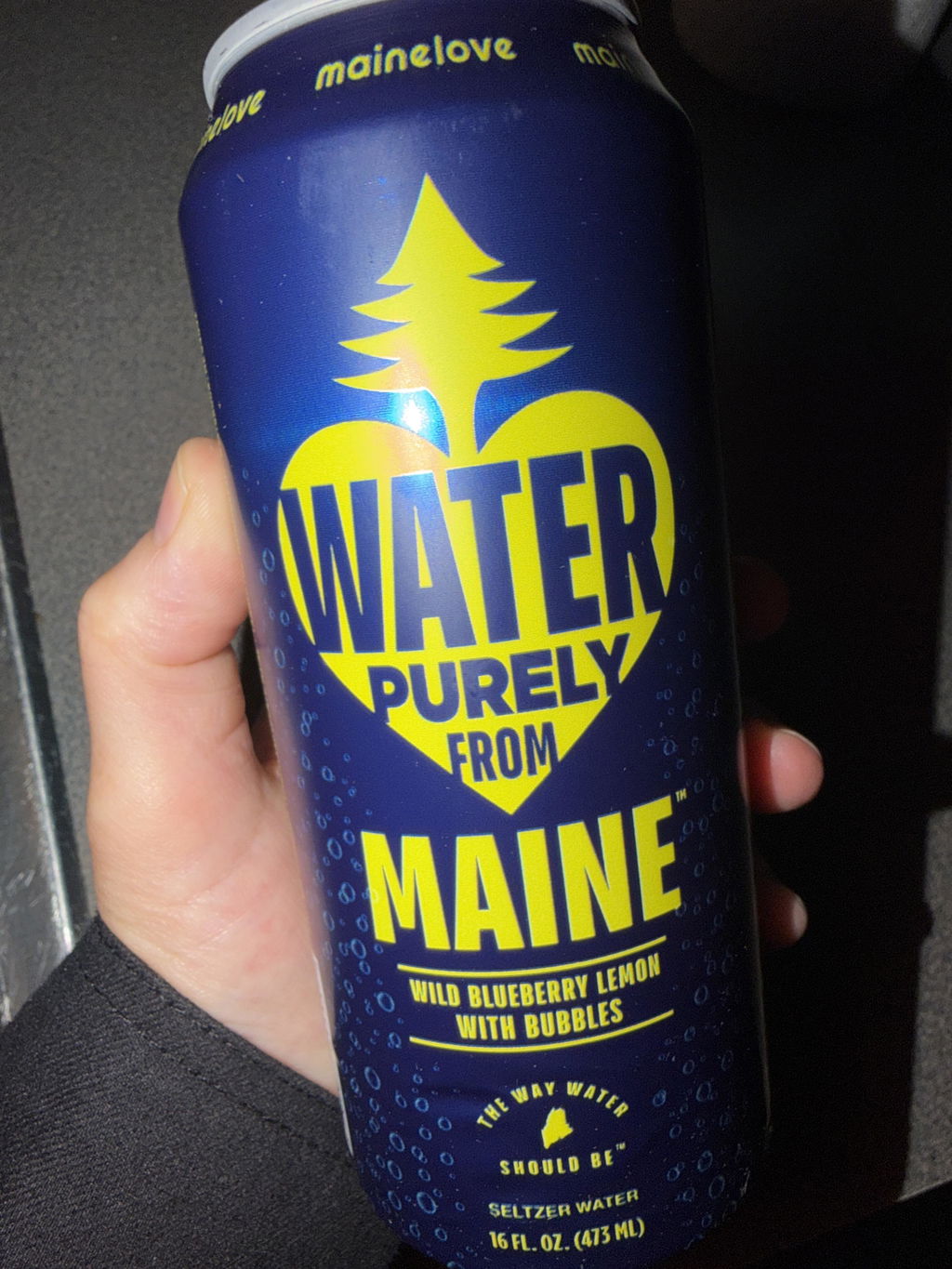
CANNED WATER

Packaging Matters

U.S. Recycling Rate for canned water is 43% while plastic bottles and box water is around 20%.

Packaging Matters

U.S. Recycling Rate for canned water is 43% while plastic bottles and box water is around 20%.

Canned Water

Plastic Bottled Water

Box & Carton Water

  • High Recyclability

  • High Material Recovery Value

  • Strong Close Loop Recycling

  • High US Recycling Rate

High Recyclability

Yes

High Material Recovery Value

Yes

Strong Close Loop Recycling

Yes

High US Recycling Rate

Yes

High Recyclability

No

High Material Recovery Value

No

Strong Close Loop Recycling

No

High US Recycling Rate

No

High Recyclability

No

High Material Recovery Value

No

Strong Close Loop Recycling

No

High US Recycling Rate

No

Which is better, bottled water or canned water?

Both will hydrate you, but canned water has an edge beyond the sip. Plastic bottled water can contain microplastics and nanoplastics, some of which may come from the bottle and cap. A 2024 study found an average of roughly 240,000 plastic particles in each liter of bottled water, with about 90% classified as nanoplastics. Aluminum cans also offer a more circular packaging option because aluminum can be recycled repeatedly without losing its quality.

Is canned water healthy?

Yes. Canned water can be a healthy way to stay hydrated, especially when it has no sugar, sweeteners, or unnecessary additives. mainelove keeps it simple: water, bubbles when called for, and natural flavors in the flavored varieties. Zero sugar. Zero calories. Nothing complicated.

What is the best canned water to drink?

Look for a trusted water source, simple ingredients, clear quality information, and a can that can be recycled. We may be slightly biased, but mainelove starts with water from Maine’s Sebago Lake and offers still, sparkling, and naturally flavored options without sugar or artificial flavors.

Why do cardiologists say not to drink bottled water?

Cardiologists do not universally say that bottled water is unsafe. The concern usually involves single-use plastic and emerging research about microplastics and nanoplastics. Some studies have found an association between plastic particles in arterial plaque and cardiovascular problems, but that does not prove bottled water directly causes heart disease. Staying hydrated remains important; choosing cans or reusable containers can simply help reduce your reliance on single-use plastic.

Are aluminum water cans safe?

Yes. Beverage cans use food-contact linings designed to protect both the drink and the container. Packaging materials used for food and beverages are regulated for their intended use.

Can aluminum water cans really be recycled again and again?

Yes. Aluminum can be melted down and remade into new cans repeatedly without losing its material quality. Just remember: infinitely recyclable only works when the can actually reaches the recycling bin.

Does canned water taste like metal?

It shouldn’t. Beverage cans have a thin inner lining that separates the water from the aluminum, protects the can from corrosion, and helps preserve the flavor. When you taste mainelove can water, you’ll only taste a crisp, refreshing drink.

Where does mainelove water come from?

mainelove is sourced from Sebago Lake in Maine. Its watershed is surrounded by forests that naturally help protect and filter the water before it reaches the lake. A little Maine wilderness, conveniently available without the hiking boots.